
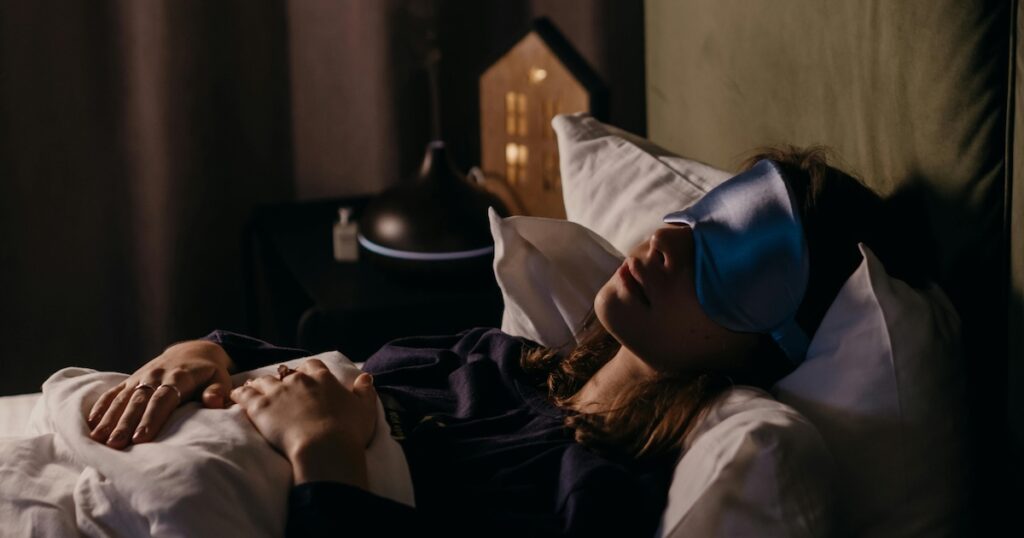
Does lavender help you sleep? Yes. Lavender has been shown in multiple clinical studies to help you fall asleep more easily, improve sleep quality, lower heart rate, reduce anxiety, and create consistent bedtime cues that help the brain transition into rest.
Lavender works through:
- Nervous system calming (lower stress and slower heart rate)
- Psychological relaxation (less rumination and reduced anxiety)
- Behavioral conditioning (sensory cues that signal “it’s bedtime”)
- Lavender doesn’t sedate you (it relaxes you, making natural sleep easier)
Why Lavender Is One of the World’s Most Trusted Sleep Aids
Lavender has been used for sleep for thousands of years, from the Romans using lavender to scent their beds to modern sleep clinics using aromatherapy to calm patients before procedures. Today, lavender remains one of the most popular natural sleep remedies, found in oils, diffusers, teas, pillow sprays, and increasingly, lavender eye masks.
But does lavender really help you sleep? Or is it just a pleasant bedtime ritual? (Not that there’s anything wrong with that!)
Sleep problems are everywhere. Millions of people struggle with:
- Trouble falling asleep
- Nighttime anxiety
- Racing thoughts
- Inconsistent routines
- Late-night screen overstimulation
- Light sensitivity
- Restless sleep
This guide examines the question from a number of scientific, sensory, behavioral, and practical angles to give you a definitive, evidence-backed answer.
Does Lavender Help You Sleep? (The Complete Answer)
Yes — lavender helps you sleep.
There is an extensive body of evidence that shows lavender can:
- Calm the nervous system
- Reduce heart rate and blood pressure
- Improve sleep onset (how fast you fall asleep)
- Improve sleep quality (how deeply you sleep)
- Reduce anxiety and nighttime rumination
- Provide sensory cues that signal the brain it’s time to wind down
Lavender does not work by sedating the brain like sleep medications. Instead, it helps you sleep by making you more relaxed, both physically and mentally, so your body can transition into natural rest.
This distinction makes lavender a sustainable sleep aid that you can use nightly and during other times you need to relax into sleep, like an afternoon nap or during a long airplane flight.
The Science Behind Lavender and Sleep (What Research Shows)
Lavender’s sleep-enhancing effects are backed by decades of research and multiple clinical trials.
Lavender’s Active Compounds: Linalool and Linalyl Acetate
Lavender contains two major aromatic compounds:
- Linalool – calming, anti-anxiety effects
- Linalyl acetate – sedative and relaxing properties
These compounds interact with GABA receptors, which regulate the nervous system.
A recent review in Frontiers in Behavioral Neuroscience found lavender inhalation produced measurable anxiolytic (anti-anxiety) effects similar to mild tranquilizers, but without their side effects.
Lavender Has Been Found to Lower Heart Rate and Blood Pressure
When your heart rate is elevated, your body isn’t ready for sleep.
Research published in 2024 in a nursing study found that 30 minutes after inhaling lavender, study participants showed:
- Lowered heart rate
- Reduced blood pressure
- Decreased sympathetic (“fight or flight”) activation
The research concluded: “Lavandula angustifolia essential oil was effective in relieving pain, promoting sleep and relaxation, proving to be a low-cost and easy-to-use tool that the nursing team can use in their care.”
Lavender May Increase Natural Melatonin Levels
One 2019 study reported that lavender aroma may increase natural melatonin production. Melatonin is a key hormone for sleep regulation.
This may help explain why lavender improves falling asleep and may contribute to more stable sleep. However, as of the time of this writing, the research between lavender and melatonin has not been studied as extensively as some of the other areas mentioned.
Lavender Reduces Anxiety and Nighttime Rumination
Racing thoughts are among the biggest sleep barriers.
A meta-analysis published in The Mental Health Clinician showed lavender aromatherapy significantly reduced anxiety levels in multiple populations, including college students, hospital patients, and individuals with mild anxiety disorders.
Lavender is particularly effective for:
- Overthinkers
- High-stress professionals
- People who struggle to “shut their brain off” at night
Lavender Supports Sleep Quality and Depth
Several studies show lavender improves:
- Sleep depth
- Sleep duration
- Sleep efficiency
- Nighttime relaxation
A 2015 randomized controlled trial found lavender aromatherapy improved sleep quality in college students with insomnia. It also reduced daytime fatigue.
Evidence From Research Studies: Does Lavender Help You Sleep?
| Study / Source | Method | Findings | Why It Matters |
|---|---|---|---|
| Frontiers in Behavioral Neuroscience (2018) | Inhalation of lavender aroma | Reduced anxiety behaviors | Anxiety reduction supports sleep onset |
| Journal of Alternative and Complementary Medicine (2015) | Lavender aromatherapy for students with self-reported sleep issues | Improved sleep quality and reduced fatigue | Demonstrates lavender’s usefulness for real-world sleep issues |
| Evidence Based Complementary Alternative Medicine (2013) | Lavender used with ICU patients | Improved sleep in a stressful environment | Shows lavender works even in high-stress conditions |
| Phytomedicine (2019) | Meta-analysis of lavender and anxiety | Significant reduction in anxiety symptoms | Less anxiety = faster sleep onset |
| International Journal of Psychiatry in Clinical Practice (2010) | Oral lavender extract vs. Lorazepam | Comparable anxiety reduction | Supports mood-calming pathways tied to sleep |
How Lavender Helps You Fall Asleep and Stay Asleep
Lavender improves sleep, prompting a state of calm in both body and mind. Just as importantly, there are significant behavioral benefits to integrating lavender into bedtime rituals that condition you for sleep.
Physiological Benefits (Body-Level Calm)
Lavender helps your body transition into sleep by:
- Slowing heart rate
- Lowering cortisol (stress hormone)
- Relaxing muscles
- Reducing sympathetic (“fight or flight”) activation
- Promoting parasympathetic (“rest and digest”) activation
This makes falling asleep feel easier and more natural, especially after stressful days.
Psychological Benefits (Mind-Level Calm)
There is consistent evidence that lavender reduces general anxiety and improves sleep. It may do this by reducing:
- Intrusive thoughts
- Mental chatter
- Worry cycles
- Nighttime rumination
- Stress-related insomnia
There are dozens of studies that show lavender can reduce general anxiety. Additional research indicates lavender helps with increasing overall sleep quality and reducing awakenings throughout the night.
Behavioral Benefits (Lavender Sleep Rituals & Conditioning)
One of the most powerful benefits of lavender for sleep can be behavioral. Here’s why.
Your brain learns through association that “lavender = bedtime.” Used consistently, lavender becomes a sensory cue that conditions your mind to wind down (even before you consciously realize it).
This is why lavender is so effective when paired with:
- Bedtime routines
- Mindfulness practices
- Lavender eye masks
- Lavender pillow sprays
- Diffusers
- Lavender tea
Integrating lavender into your bedtime rituals reinforces consistency, which is key to getting your whole self ready for a night’s worth of good sleep.
How to Use Lavender for Sleep: 6 Evidence-Backed Methods
There are many ways to use lavender to help you sleep. Some are more effective than others.
Below are six proven, science-supported methods, along with step-by-step instructions and mindfulness integrations to support deeper, more consistent nighttime rest.
Ready? Zzzzzzz…
1. Aromatherapy (Lavender Diffusers, Pillow Sprays, and Sachets)
Aromatherapy is the most researched and widely recommended method for using lavender as a sleep aid.
Why Lavender Aromatherapy Helps You Sleep
Breathing lavender aroma allows linalool and linalyl acetate to travel through the olfactory system directly to the limbic system, the emotional regulation center of the brain.
This area controls:
- Stress response
- Anxiety
- Heart rate
- Emotional processing
Integrating the scent of lavender into your wind-down ritual helps shift the brain toward calm, preparing the mind for sleep.
How to Use Lavender Aromatherapy for Sleep
- Add 5–10 drops of lavender essential oil to a diffuser 30 minutes before bed.
- Mist a lavender pillow spray lightly across your pillow or sheets.
- Do three breaths of box-breathing with a lavender sachet (or from a cotton ball or diffuser locket) before settling down for the night.
2. Lavender Eye Masks (Weight + Darkness + Scent)
Using a lavender eye mask is one of the most powerful ways to integrate lavender into your sleep ritual because it engages multiple senses at once.
A high-quality lavender eye mask offers:
- Gentle Weight — Light pressure on the eyes activates the oculocardiac reflex, helping slow heart rate and quiet the nervous system.
- Total Darkness — Blocking ambient light protects melatonin production, helping support both sleep onset and sleep maintenance.
- Calming Lavender Aroma — Fresh or dried lavender inside the mask provides continuous soothing exposure throughout the night.
Why Lavender Eye Masks Help You Sleep
Lavender eye masks are wonder products. With a lavender eye mask, you’re combining:
- Darkness
- Sensory grounding
- Scent-based relaxation
- Gentle pressure to calm the body
Lavender eye masks can be especially effective for:
- Light sleepers
- Overthinkers
- People with inconsistent routines
- Shift workers
- Travelers
- Parents needing a moment of rest in a hectic schedule
Using a lavender eye mask as part of your nightly wind-down helps cue your body and mind for deep, consistent sleep through touch, scent, and darkness.
How to Use a Lavender Eye Mask for Sleep
- About 30 minutes before bed, dim the lights, silence notifications, and take 3–5 slow breaths to signal your body it’s time to rest.
- Gently place the mask over your eyes while lying on your back, adjusting for comfortable weight and total darkness.
- Allow the lavender aroma and light pressure to help your breathing slow naturally as you drift off.
- In the morning, remove the mask slowly to help your nervous system stay calm as you gently wake.
- Between sessions, store your lavender eye mask in a clean, dry place.
3. Lavender Tea
Tea is another effective way to use lavender for people who want a soothing, ingestible ritual before bedtime. Lavender tea supports sleep through:
- Warmth-induced relaxation
- Ritual cueing
- Inhalation of lavender vapor
A Lavender Tea Ritual for Bedtime
- Dim the lights 30–60 minutes before bedtime.
- Put on soft ambient music or nature sounds to signal your body that it’s time to unwind.
- Drink a cup of lavender tea (you can combine with chamomile for a more pronounced calming effect)
- Try to sip the tea with full awareness, focusing completely on the present moment rather than multitasking
- Pair with a slow-exhale breathing exercise (before each sip, take a breath in through the nose and out through the mouth) for deeper relaxation.
- After finishing the tea, write down one memory or thought you want to release from the day, then set that paper aside as a symbolic “letting go.”
4. Lavender Bath (Lavender Bath Salts or Oils)
Taking a lavender bath 60–90 minutes before bed is one of the most effective ways to prepare your body for deep sleep because it supports your physiology and your senses at the same time.
A high-quality lavender bath offers:
- Muscle Relaxation — Warm water loosens tension, eases tight muscles, and gently reduces circulating stress hormones.
- Thermal Reset — After the bath, your core temperature naturally drops, triggering melatonin release and helping the brain shift into a sleep-ready state.
- Lavender Steam Inhalation — The rising steam lifts lavender aroma into the air, surrounding you with a calming, spa-like atmosphere that supports relaxation.
Why Lavender Baths Help You Sleep
Lavender baths work on multiple levels at once. With a lavender bath, you’re combining:
- Warmth-induced relaxation
- A natural melatonin boost from cooling afterward
- Aromatherapy through warm lavender steam
- A clear wind-down ritual that signals “time to rest”
Lavender baths are especially supportive for:
- People with high evening stress
- Those who struggle to “turn off” at night
- Athletes or anyone with muscle tension
- Anyone who benefits from sensory-based routines
Taking a lavender bath as part of a nightly wind-down helps your body relax, encourages a healthy circadian shift, and creates a deeply soothing environment that prepares you for restorative sleep.
How to Take a Lavender Bath for Sleep
- Keep your lavender salts, oils, or soak stored in a cool, dry place.
- About 60–90 minutes before bed, dim the lights and run a warm bath (warm, not hot, to avoid overstimulation).
- Add Epsom salts, a properly diluted lavender essential oil, or a lavender bath soak to the water.
- Immerse slowly, letting the warmth release tension as you breathe in the lavender steam.
- After your bath, allow your body to cool naturally, supporting your melatonin rise and easing you toward sleep.
5. Lavender Candles (With Safety Precautions)
Using a lavender candle during your evening wind-down can create a deeply soothing environment by pairing gentle light with calming aromatherapy. However, proper safety is essential.
A high-quality lavender candle offers:
- Soft, Ambient Light — The warm glow helps signal to your brain that the day is ending, reducing harsh light exposure.
- Calming Lavender Aroma — A steady release of lavender scent supports relaxation and prepares your nervous system for rest.
- Visual Serenity — The slow flicker of the flame provides a grounding visual cue that can quiet racing thoughts.
Why Lavender Candles Help You Sleep
Lavender candles support sleep by combining:
- A dim, gentle light source
- Soothing lavender fragrance
- A visually calming focal point
- A ritualistic signal that bedtime is approaching
They’re especially helpful for people who need a clear wind-down ritual and anyone sensitive to bright, artificial light in the evening.
A lavender candle transforms your nighttime environment into a calmer, slower space—helping your body transition out of daytime stimulation.
How to Use a Lavender Candle Safely
- Place the candle on a stable, heat-safe surface away from curtains, bedding, or anything flammable.
- Keep the candle within sight at all times
- Never leave a burning candle unattended.
- Light the candle during your wind-down period to enjoy the scent and the soft glow.
- Use this time to take slow breaths, stretch, journal, or prepare for sleep.
- Blow the candle out 10 minutes before getting into bed. Always blow out the candle before getting into bed. Falling asleep with an active flame is a fire hazard. This will also allow the room to cool slightly as the scent lingers, supporting relaxation.
You can enhance your evening routine by mindfully including a lavender candle. It offers warmth, scent, and calm, as long as it is done putting safety first.
6. Lavender Sachets and Dried Lavender Bundles
Dried lavender offers one of the most natural, gentle ways to bring calming aroma into your sleep environment. Because the scent releases slowly and softly, it’s ideal for people who prefer subtle, non-overpowering fragrances.
A high-quality lavender sachet or bundle provides:
- Soft, Slow-Releasing Aroma — Dried lavender disperses fragrance gradually, offering a steady, soothing backdrop throughout the night.
- Low-Intensity Scent Profile — Perfect for those sensitive to strong essential oils or powerful fragrances.
- Versatile Placement — Easily added to bedding, drawers, or other items for a consistent calming effect, even when traveling.
Why Lavender Bundles and Sachets Help You Sleep
Lavender sachets and bundles work by creating familiar, comforting scent cues that reinforce your sleep routine. With these natural tools, you’re combining:
- Gentle aromatherapy
- Long-lasting, low-intensity scent release
- Habit-based relaxation cues
- A consistent sensory signal for rest
They’re especially effective for:
- People with scent sensitivities
- Light sleepers who prefer subtle aromas
- Travelers trying to maintain bedtime routines on the go
- Anyone building a stable nighttime ritual
Over time, the lavender scent becomes a powerful cue that tells your brain, “It’s time to unwind.”
How to Use Lavender Sachets and Bundles for Sleep
- Keep your lavender bundles or sachets stored in a cool, dry place when not in use.
- Set a sachet beside your bed to subtly scent the air around your sleep space.
- Place one in your bedside drawer so your sleepwear carries a soft lavender aroma.
- Tuck a lavender sachet into your pillowcase for a gentle scent as you fall asleep.
- Slip one into a travel bag to maintain familiar sleep cues when away from home.
You can refresh the scent occasionally by gently squeezing the sachet or lightly rolling the bundle to release more aroma.
Bundles and sachets are simple, natural tools that help anchor your nighttime ritual through the power of gentle scent and consistent habit cues.
Lavender Helps — But You Still Need Good Sleep Habits
Lavender is a powerful sleep enhancer, but it works best when integrated into healthy sleep hygiene.
Sleep Hygiene Basics
To get the full sleep-supporting benefits of lavender, it helps to pair it with simple habits that strengthen your body’s natural sleep systems. These practices create the foundation on which lavender can work most effectively.
- Keep a consistent sleep schedule — Consistency strengthens your circadian rhythm. Lavender becomes a cue signaling bedtime.
- Reduce screens before bed — Blue light disrupts melatonin. Use lavender as your “screen-off” ritual (diffuser on, phone down).
- Keep your bedroom cool and dark — Ideal temperature: 60–67°F. A lavender eye mask ensures consistent darkness and calming aromatic exposure.
- Avoid stimulants late in the day — Caffeine, sugar, and screens all elevate arousal. Lavender helps counterbalance these effects but works best when not competing with evening stimulants.
- Create a wind-down ritual — A lavender-based routine (diffuser, eye mask, tea) helps train the body to release tension and enter rest.
Taken as a whole, these practices reinforce healthy sleep architecture, helping your body transition smoothly into deeper, more restorative rest.
How to Include Lavender in a Balanced Nighttime Routine
Here is a simple, sample bedtime structure incorporating lavender and mindfulness:
- 60 minutes before bed
- Turn on your lavender diffuser
- Dim lights
- Put phone in another room
- 30 minutes before bed
- Sip lavender tea
- Light reading or journaling
- 5 minutes before bed
- Put on a lavender eye mask
- Take 3–5 mindful breaths
This short routine helps shift your physiology and psychology into sleep mode as you nestle into slumber.
The Bottom Line: Lavender Helps You Sleep More Easily and Deeply
So, does lavender help you sleep?
Yes.
Lavender helps you sleep by:
- Calming the nervous system
- Reducing heart rate
- Decreasing anxiety
- Improving sleep onset
- Deepening sleep quality
- Creating consistent bedtime cues
- Reinforcing healthy nighttime routines
But lavender is more than a sleep aid.
It’s a mindfulness anchor.
It’s a way to slow down, breathe deeply, and transition out of the noise of the day.
Lavender is a gentle, accessible, everyday ritual that helps you show up better tomorrow.
Whether through a lavender eye mask, lavender essential oil, tea, diffuser, or micro-moments of mindfulness, lavender offers a simple, science-backed path to deeper rest.
It’s not magic. It’s mindful.
And it works.
FAQ: Frequently Asked Questions About Lavender and Sleep
Yes. Multiple studies show lavender helps you fall asleep faster and improves overall sleep quality.
Lavender’s compounds (linalool and linalyl acetate) activate calming pathways in the limbic system, reducing anxiety and lowering heart rate.
Lavender doesn’t sedate you. It relaxes you, which helps your body fall asleep naturally.
Lavender can begin working in 5–20 minutes, depending on the method used.
According to research, the most effective methods are:
– Lavender aromatherapy
– Lavender essential oil
– Lavender tea
– Lavender baths
– Lavender eye masks
Lavender can help with mild to moderate sleep quality issues, especially when caused by stress or anxiety. Severe insomnia may require medical care.
Yes. Lavender is safe for nightly use in diffusers, sprays, teas, sachets, and eye masks.
Lavender helps with relaxation, while melatonin helps with circadian rhythm. They can be used together responsibly.
Yes, especially when used with a lavender eye mask. Darkness, when combined with a calming scent, can help maintain melatonin production and reduce nighttime awakenings.